 9,5
9,5
 3D Printers
 3D Scanners
 Laser Machines
 Print & Transfer
 Acrylic Sheets
 Outlet
 Training
 Leasing
 Servicerobots
3D Printer Filament for Professional and Everyday Use
Buy 3D Printer Filament at FilRight
Are you looking for filament for your 3D printer? At FilRight, you will find a wide range of 3D printer filament for FFF and FDM printers. From easy-to-print PLA for prototypes and models to strong engineering materials such as PETG, ASA, TPU and PC: we help you choose the right filament for your application.
Filament has a major impact on the quality, strength and finish of your 3D print. High-quality filament provides stable feeding, consistent diameter, reliable layer adhesion and a lower risk of clogged nozzles or failed prints. That is why FilRight offers carefully selected filaments from brands such as FilRight, Polymaker and BASF.
Whether you print for hobby use, education, prototyping, engineering or production, the right filament helps you get more out of your 3D printer.
Which Filament Do You Need?
The best filament depends on what you want to print. For decorative models and simple prototypes, ease of printing is often the main priority. For functional parts, strength, heat resistance, flexibility or wear resistance may be more important.
PLA Filament – Easy Printing with a Clean Finish
PLA is one of the most commonly used filament types for 3D printers. It is easy to print, has low warping and is suitable for models, prototypes, educational projects, visualizations and general applications.
PLA is a good choice if you want fast and reliable printing without complex settings. For extra strength, PLA+ or Tough PLA can be a better option.
PETG Filament – Strong, Tough and Versatile
PETG is stronger and tougher than standard PLA, making it suitable for functional parts. The material combines good printability with improved impact resistance and flexibility. PETG is often used for holders, housings, engineering prototypes, workshop parts and components that need to withstand more use.
PETG is a strong middle ground between ease of use and technical performance.
ASA Filament – Suitable for Outdoor Use
ASA is an engineering filament with good resistance to UV light and weather conditions. This makes ASA suitable for outdoor parts such as housings, mounting components, covers and functional prototypes.
For ASA, an enclosed printer or stable printing environment is often recommended, as the material is more sensitive to warping than PLA or PETG.
TPU Filament – Flexible and Rubber-Like
TPU is a flexible filament for parts that need to bend, spring or absorb impact. Typical applications include protective covers, dampers, flexible connections, seals, grips and other elastic parts.
With TPU, the right print speed and printer settings are important. If you regularly print flexible materials, we can help you choose the right combination of filament, printer and settings.
PC Filament – Strong and Heat Resistant
PC, or polycarbonate, is an engineering filament for strong parts with higher heat resistance. It is interesting for functional prototypes, technical parts and applications where strength and stability matter.
PC requires more from the printer than PLA or PETG. A heated bed, enclosed build chamber and proper material storage are important for reliable results.
Engineering and Specialty Filaments
In addition to standard materials, FilRight also offers engineering and specialty filaments for professional applications. Examples include support materials, carbon or composite materials, flexible filaments, metal-filled filaments and materials for specific industrial workflows.
These filaments often require specific print settings, a hardened nozzle or a printer that can handle higher temperatures. Not sure which material fits your application? We are happy to advise you.
Filament from FilRight, Polymaker and BASF
At FilRight, you will find filaments from reliable brands for different types of users.
FilRight Filament
FilRight filament is developed for users who want reliable and affordable printing. The FilRight range includes materials such as PLA, PLA+, PETG, ASA, TPU and PC. This makes it suitable for many applications, from simple models to functional parts.
Polymaker Filament
Polymaker is known for high-quality filaments for both everyday use and engineering applications. The range includes PLA, PETG, ABS, ASA, PC, flexible materials, support materials and specialty filaments. Polymaker is a strong choice for users who value consistent quality and material variety.
BASF Filament
BASF filament is interesting for professional and technical applications. The range includes engineering materials and specialty filaments, such as metal-filled materials for specific industrial workflows.
Choosing Filament by Application
Not every filament is suitable for the same purpose. Use this guideline as a starting point:
- For simple models, prototypes and education: choose PLA or PLA+
- For stronger functional parts: choose PETG
- For outdoor use: choose ASA
- For flexible parts: choose TPU
- For heat-resistant engineering parts: choose PC
- For industrial or specialist applications: choose engineering filament such as composite, support or metal-filled filament
The right choice also depends on your 3D printer. Not every printer can process every material. Always check nozzle temperature, bed temperature, enclosed build chamber requirements, filament diameter and whether a hardened nozzle is needed.
Why Good Filament Matters
Good filament makes 3D printing more reliable. Filament diameter, roundness, moisture absorption and material purity all influence the final result. Poor-quality or wet filament can cause stringing, clogged nozzles, poor layer adhesion, breakage, under-extrusion or an uneven surface finish.
That is why filament should be stored dry and dust-free. Materials such as PETG, TPU, Nylon, PC and other engineering filaments can absorb moisture. For professional applications, proper storage is just as important as the right print settings.
Buy Filament with Advice from FilRight
At FilRight, you are not only buying filament, but also knowledge and support. We are happy to help you choose the right material for your printer and application. This is especially useful when moving from PLA to engineering materials or when you need parts that are stronger, more flexible or more heat resistant.
At FilRight, you benefit from:
- Wide range of 3D printer filament
- Filament for hobby, education and professional use
- Brands such as FilRight, Polymaker and BASF
- Advice on material choice and print settings
- Showroom in IJsselstein, the Netherlands
- Fast delivery
- Accessories, printers and spare parts in one place
Would you like to know which filament is suitable for your 3D printer or application? Contact FilRight for personal advice.
Frequently Asked Questions About 3D Printer Filament
Which filament is easiest to print?
PLA is usually the easiest filament to print. It has low warping, prints reliably and is suitable for many standard applications.
What is the difference between PLA and PETG?
PLA is easier to print and suitable for models and prototypes. PETG is tougher, stronger and better suited for functional parts.
Which filament is suitable for outdoor use?
ASA is a good choice for outdoor use because it is more resistant to UV light and weather conditions than standard PLA.
Which filament should I use for flexible parts?
For flexible parts, use TPU. This material is elastic and suitable for dampers, grips, covers, seals and bendable parts.
Can every filament be used on every 3D printer?
No, not every filament is suitable for every printer. Always check the maximum nozzle temperature, bed temperature, filament diameter and whether your printer requires an enclosed build chamber or hardened nozzle.
How should I store filament?
Store filament dry, dust-free and preferably sealed. Dry storage is especially important for moisture-sensitive materials such as PETG, TPU, Nylon and PC.

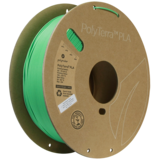
FilRight Pro PETG is specially developed for 3D printing and brings together all the advantages of ABS and PLA filaments...
FilRight Pro PETG is spec...
- Snelle levertijden
- Gratis verzending vanaf € 100!
- Showroom in IJsselstein!
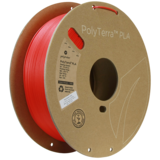

FilRight Pro PLA+ filament is stronger than FilRight Maker PLA, adheres perfectly to the print bed and has very low shri...
FilRight Pro PLA+ filamen...
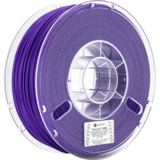
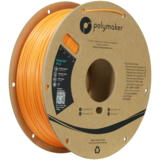
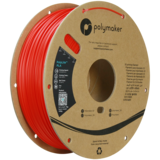
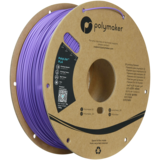
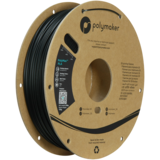
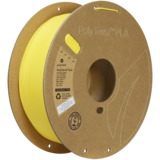
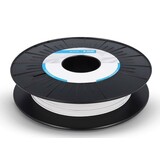
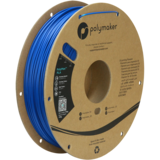
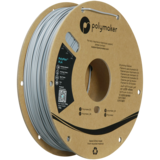
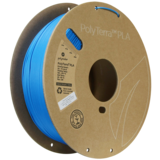

FilRight Pro PLA+ filament is stronger than FilRight Maker PLA, adheres perfectly to the print bed and has very low shri...
FilRight Pro PLA+ filamen...
Overige categorieën in 3D Printers
3D Printer Filament for Professional and Everyday Use
Buy 3D Printer Filament at FilRight
Are you looking for filament for your 3D printer? At FilRight, you will find a wide range of 3D printer filament for FFF and FDM printers. From easy-to-print PLA for prototypes and models to strong engineering materials such as PETG, ASA, TPU and PC: we help you choose the right filament for your application.
Filament has a major impact on the quality, strength and finish of your 3D print. High-quality filament provides stable feeding, consistent diameter, reliable layer adhesion and a lower risk of clogged nozzles or failed prints. That is why FilRight offers carefully selected filaments from brands such as FilRight, Polymaker and BASF.
Whether you print for hobby use, education, prototyping, engineering or production, the right filament helps you get more out of your 3D printer.
Which Filament Do You Need?
The best filament depends on what you want to print. For decorative models and simple prototypes, ease of printing is often the main priority. For functional parts, strength, heat resistance, flexibility or wear resistance may be more important.
PLA Filament – Easy Printing with a Clean Finish
PLA is one of the most commonly used filament types for 3D printers. It is easy to print, has low warping and is suitable for models, prototypes, educational projects, visualizations and general applications.
PLA is a good choice if you want fast and reliable printing without complex settings. For extra strength, PLA+ or Tough PLA can be a better option.
PETG Filament – Strong, Tough and Versatile
PETG is stronger and tougher than standard PLA, making it suitable for functional parts. The material combines good printability with improved impact resistance and flexibility. PETG is often used for holders, housings, engineering prototypes, workshop parts and components that need to withstand more use.
PETG is a strong middle ground between ease of use and technical performance.
ASA Filament – Suitable for Outdoor Use
ASA is an engineering filament with good resistance to UV light and weather conditions. This makes ASA suitable for outdoor parts such as housings, mounting components, covers and functional prototypes.
For ASA, an enclosed printer or stable printing environment is often recommended, as the material is more sensitive to warping than PLA or PETG.
TPU Filament – Flexible and Rubber-Like
TPU is a flexible filament for parts that need to bend, spring or absorb impact. Typical applications include protective covers, dampers, flexible connections, seals, grips and other elastic parts.
With TPU, the right print speed and printer settings are important. If you regularly print flexible materials, we can help you choose the right combination of filament, printer and settings.
PC Filament – Strong and Heat Resistant
PC, or polycarbonate, is an engineering filament for strong parts with higher heat resistance. It is interesting for functional prototypes, technical parts and applications where strength and stability matter.
PC requires more from the printer than PLA or PETG. A heated bed, enclosed build chamber and proper material storage are important for reliable results.
Engineering and Specialty Filaments
In addition to standard materials, FilRight also offers engineering and specialty filaments for professional applications. Examples include support materials, carbon or composite materials, flexible filaments, metal-filled filaments and materials for specific industrial workflows.
These filaments often require specific print settings, a hardened nozzle or a printer that can handle higher temperatures. Not sure which material fits your application? We are happy to advise you.
Filament from FilRight, Polymaker and BASF
At FilRight, you will find filaments from reliable brands for different types of users.
FilRight Filament
FilRight filament is developed for users who want reliable and affordable printing. The FilRight range includes materials such as PLA, PLA+, PETG, ASA, TPU and PC. This makes it suitable for many applications, from simple models to functional parts.
Polymaker Filament
Polymaker is known for high-quality filaments for both everyday use and engineering applications. The range includes PLA, PETG, ABS, ASA, PC, flexible materials, support materials and specialty filaments. Polymaker is a strong choice for users who value consistent quality and material variety.
BASF Filament
BASF filament is interesting for professional and technical applications. The range includes engineering materials and specialty filaments, such as metal-filled materials for specific industrial workflows.
Choosing Filament by Application
Not every filament is suitable for the same purpose. Use this guideline as a starting point:
- For simple models, prototypes and education: choose PLA or PLA+
- For stronger functional parts: choose PETG
- For outdoor use: choose ASA
- For flexible parts: choose TPU
- For heat-resistant engineering parts: choose PC
- For industrial or specialist applications: choose engineering filament such as composite, support or metal-filled filament
The right choice also depends on your 3D printer. Not every printer can process every material. Always check nozzle temperature, bed temperature, enclosed build chamber requirements, filament diameter and whether a hardened nozzle is needed.
Why Good Filament Matters
Good filament makes 3D printing more reliable. Filament diameter, roundness, moisture absorption and material purity all influence the final result. Poor-quality or wet filament can cause stringing, clogged nozzles, poor layer adhesion, breakage, under-extrusion or an uneven surface finish.
That is why filament should be stored dry and dust-free. Materials such as PETG, TPU, Nylon, PC and other engineering filaments can absorb moisture. For professional applications, proper storage is just as important as the right print settings.
Buy Filament with Advice from FilRight
At FilRight, you are not only buying filament, but also knowledge and support. We are happy to help you choose the right material for your printer and application. This is especially useful when moving from PLA to engineering materials or when you need parts that are stronger, more flexible or more heat resistant.
At FilRight, you benefit from:
- Wide range of 3D printer filament
- Filament for hobby, education and professional use
- Brands such as FilRight, Polymaker and BASF
- Advice on material choice and print settings
- Showroom in IJsselstein, the Netherlands
- Fast delivery
- Accessories, printers and spare parts in one place
Would you like to know which filament is suitable for your 3D printer or application? Contact FilRight for personal advice.
Frequently Asked Questions About 3D Printer Filament
Which filament is easiest to print?
PLA is usually the easiest filament to print. It has low warping, prints reliably and is suitable for many standard applications.
What is the difference between PLA and PETG?
PLA is easier to print and suitable for models and prototypes. PETG is tougher, stronger and better suited for functional parts.
Which filament is suitable for outdoor use?
ASA is a good choice for outdoor use because it is more resistant to UV light and weather conditions than standard PLA.
Which filament should I use for flexible parts?
For flexible parts, use TPU. This material is elastic and suitable for dampers, grips, covers, seals and bendable parts.
Can every filament be used on every 3D printer?
No, not every filament is suitable for every printer. Always check the maximum nozzle temperature, bed temperature, filament diameter and whether your printer requires an enclosed build chamber or hardened nozzle.
How should I store filament?
Store filament dry, dust-free and preferably sealed. Dry storage is especially important for moisture-sensitive materials such as PETG, TPU, Nylon and PC.